Rainwater Harvesting: An Indispensable Part of Green Living
Rainwater Harvesting: An Indispensable Part of Green Living
We are living in an era that’s afflicted with the growing threat of water scarcity. Several studies on the state of water on the earth have established that the sources of fresh water are rapidly drying up. The ground water levels are being pushed down every day with unrestrained extraction for residential, commercial and industrial needs.
‘Save Water’ campaigns have been running globally for years to conserve this significant life source. While we have learnt to use water responsibly in our daily life, the growing concerns over widespread risk of water shortage triggered by water abuse and climate change issues has made it important for each one of us to adopt more sustainable ways to conserve water – like rainwater harvesting.
What is rainwater harvesting?
Rainwater harvesting is a simple, effective and energy efficient way to save water. In our country, it was practised widely by our forefathers eons ago, and now we know why! Rainwater harvesting is essentially the collection and storage of tremendous amount of rain water for future use.
The new-age real estate developers committed to sustainable development, make rainwater harvesting system an integral part of their projects. Needless to say, it is also an important tool for those who wish to live in an eco-friendly way. It is estimated that a rainwater harvesting system can help save up to 50% of water consumption.
How is it done?
Rainwater harvesting can be done in two ways.
1. Surface water harvesting:
Why let the rainwater flowing along the ground just go into the drains? Rainwater flowing in the common areas like gardens, parks, pavements, fields or passages can be collected and stored in the underground-tank for reuse. It can then be used to restore the ground water levels as well as for other purposes like irrigation, watering the plants and garden areas, or flushing toilets.
2. Rooftop water harvesting
Another way to collect and store rainwater is through the roof of the house or the buildings. Under this method, the rainwater is collected from the roof and siphoned into a tank for storage. The stored water may be treated or purified to be used for everyday needs like cooking and drinking. The untreated water can be used for other general needs like watering the plants, washing clothes, cleaning vehicles or other cleaning purposes.
Why is it important?
We have already begun to face the wrath of nature in the form of surging heat, disrupted season cycle, unpredictable rains and episodes of floods and dry spells all across the world. While some regions suffer from excessive rains, others are hit by famines. A significant part of the population on earth is struggling every day to have access to pure drinking water.
Rainwater harvesting can help alleviate these problems with better water management. Storage of excessive water enables recycling and reuse of water. And, when practised on a larger scale, rainwater harvesting can help save enough water to supply to the regions affected by severe water-shortage.
How does it benefit?
• Rainwater harvesting helps replenish the water we extract from earth. In other words, it helps in increasing ground water levels.
• It promotes saving of water by enabling recycling and reuse of rainwater. The recycled water can be used for multiple daily needs, thus bringing down consumption of water from tap and other sources.
• It reduces dependence on borewell and thus helps in reducing water bill.
• The storage of excessive water enables support to dry regions facing water scarcity.
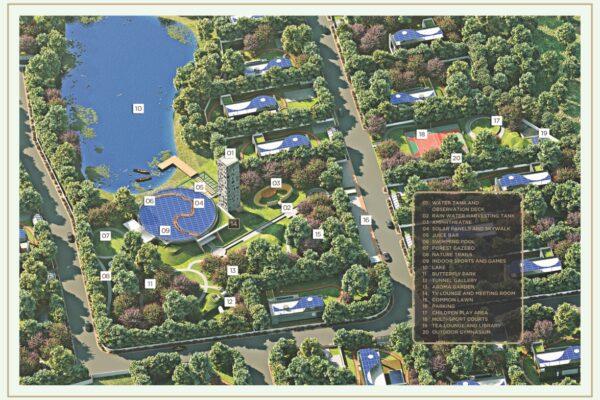
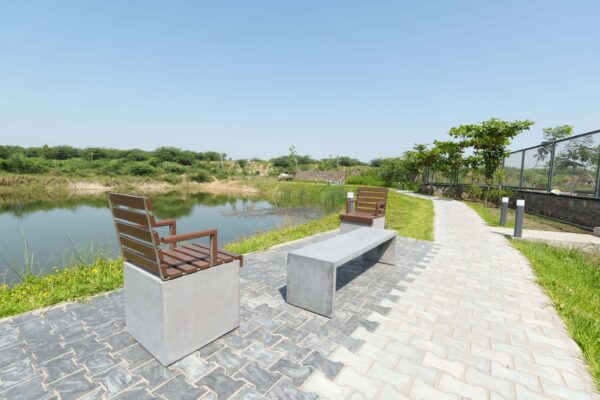
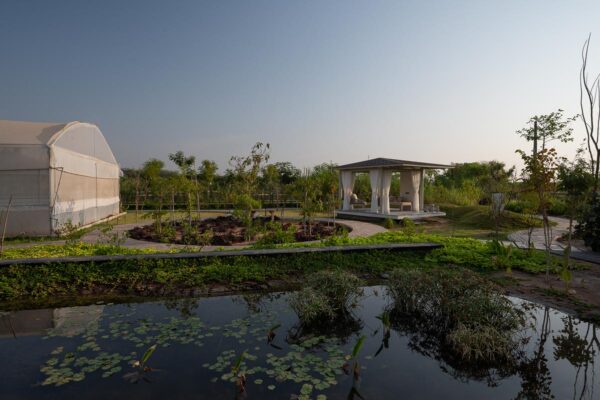
To witness the principles of sustainable development and responsible construction practices like rainwater harvesting in action, we invite you to Green Panther Properties One. GPP One is a limited edition community that will lead you to a highly distinguished, eco-luxurious villa life.
View brochure.
Watch the concepts of luxury, coexistence, and sustainability in practice at Shoonya – the inspiration behind GPP One.
To know more about us, our philosophy and our projects, visit www.greenpanther.in